
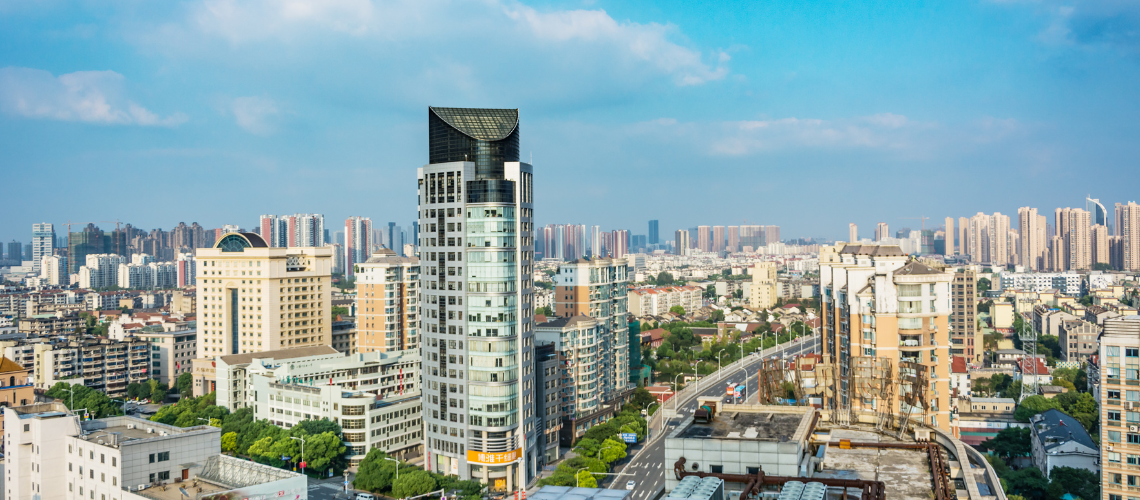
The year 2026 has introduced a sense of maturity in the Mumbai real estate market, which is a high-stakes market. The manner in which we have been appraising prime locations has changed fundamentally with the completion of major stages of the Metro Line 3 (Aqua Line) and the coastal road. The distance no longer depends on kilometres but on the number of minutes that it will take one to get to the closest metro station, which is a crucial factor when Buying a Home in Mumbai.
At Sayba Group, we have established our 30-year history at Sayba Group based on the principles of transparency and efficiency. Since we have already built more than 3,150 homes in 35+ landmarks, we understand that Buying a Home in Mumbai is probably the most important financial choice of your life. This checklist is designed to cut through the marketing noise and give you the hard facts you need to secure your future in 2026 while Buying a Home in Mumbai.
The ‘De-Risking’ Legal Audit
The 2026 buyer must be a digital-first investigator. Before you even visit a site, your first stop should be the MahaRERA portal, especially when Buying a Home in Mumbai.
MahaRERA Verification: Do not just trust the RERA number on a b
- MahaRERA Verification: Do not just trust the RERA number on a brochure. Check it on an official site. Check the proposed date of completion and compare it with the verbal promise of the builder.
- The Sayba Standard: We have properly maintained RERA records of each project. For example, Sayba Arcadia and Sayba Olympia have transparent timelines that we adhere to religiously.
- Title Clarity & CC: Ensure the developer has a clear, marketable title and a valid Commencement Certificate (CC) for the specific floor you are buying. Buying without a CC for your floor is a risk you cannot afford in 2026.
Is the builder showing you the actual RERA-approved plans or just a “visionary” artistic rendition?
The Mobility Connectivity Matrix
In 2026, if your home isn’t “metro-integrated”, it’s already depreciating.
- The 10-Minute Rule: Your property should be within a 10-minute commute to a major transit node. Areas like Kurla West and Jogeshwari West have become goldmines because they sit at the intersection of the new Metro Line 2B and the existing suburban rail.
- Infrastructure Check: Verify the status of nearby “future” infrastructure. In 2026, many promised flyovers and connectors are now live. Buying near a functional asset is safer than buying near a proposed one.
- Sayba’s Strategy: We intentionally site our projects, like Sayba Noor in Jogeshwari, within walking distance of railway stations and metro hubs to ensure your asset appreciates the moment you get the keys.
The Engineering & Layout Audit
Stop looking at the Italian marble and start looking at the carpet area efficiency.
- Zero-Waste Design: 2026 is the year of the “smart home”. Check for long, useless corridors or deep flower beds that eat into your carpet area. A 450 sq. ft. flat with zero waste is better than a 550 sq. ft. flat with dead corners.
- OC (Occupancy Certificate) Readiness: If you are buying a project nearing completion, ask for the status of the occupancy certificate. Possession without an OC is illegal and will block your utility connections and home loan finalisation.
- Structural Warranty: Under RERA, developers are liable for structural defects for five years. Ensure this is explicitly mentioned in your Agreement for Sale.
The ‘All-In’ Financial Reality Check
The base price is just the tip of the iceberg. In 2026, the shock may be a secondary cost if you are not ready.
- Statutory Costs: Estimate 6% Stamp Duty (5% + 1% Metro Cess) and 1% Registration Fees.
- GST Effect: Under-construction units are subject to 5% GST (or 1% in the case of affordable housing). When you purchase an OC-ready house at Sayba, you do not pay any GST, which will save you lakhs immediately.
- Hidden Surcharges: Always ask for a breakdown of “Other Charges”. This includes society formation, shared money, legal fees, and the development of amenities.
|
Cost Component |
2026 Standard Rate |
Tip for Savings |
|
Stamp Duty |
6% (incl. Metro Cess) |
1% concession for women buyers |
|
GST |
5% (Premium) / 1% (Affordable) |
Buy OC – ready to pay 0% |
|
Maintenance |
Approx. ₹5–₹10 per sq. ft. |
Check the sinking fund contribution. |
Developer Track Record: The "Proof of Life"
A brochure can be printed in a day; a reputation takes decades to build.
- Completed Projects: How many projects has the builder actually delivered? Visit at least one completed building. Talk to the residents about water supply and maintenance.
- Financial Stability: Is the project funded by reputable banks? If HDFC, ICICI, or SBI has approved the project, it means the developer’s paperwork has passed the most rigorous banking audits.
- Sayba’s Heritage: We invite you to visit Sayba Residency or Sayba Heritage. Our 35+ completed landmarks are our best advertisements.
Key takeaways
Buying a home in Mumbai shouldn’t be an act of faith; it should be an act of data. By following this checklist, you ensure that your hard-earned money is protected by the twin shields of legal compliance and strategic location.
At Sayba Group, we don’t just sell flats; we deliver peace of mind. Our 2026 projects are designed to meet every single point on this checklist, ensuring that your home is a source of joy, not a legal headache.
Are you ready to check off home ownership from your 2026 list?
Contact us todayto get expert guidance on Buying a Home in Mumbai and find the right property that fits your needs, budget, and future goals.
FAQs :
1. What is the first step in buying a home in Mumbai?
The first step in Buying a Home in Mumbai is verifying the project on the MahaRERA website to ensure legal approval and transparency.
2. How important is location when buying a home in Mumbai?
Location is critical when Buying a Home in Mumbai, especially proximity to metro stations, highways, and key infrastructure.
3. What taxes should I consider when buying a home in Mumbai?
While Buying a Home in Mumbai, you should consider stamp duty, registration charges, and GST (if applicable on under-construction properties).
4. Why is OC important when buying a home in Mumbai?
An Occupancy Certificate ensures the property is legally approved for possession, making it essential when Buying a Home in Mumbai.
5. How do I verify a builder before buying a home in Mumbai?
Check past projects, RERA records, and bank approvals before Buying a Home in Mumbai to ensure the builder’s credibility.